









Let’s start by introducing the story we are going to talk about today: The Marvellous Wizard of Oz.
Y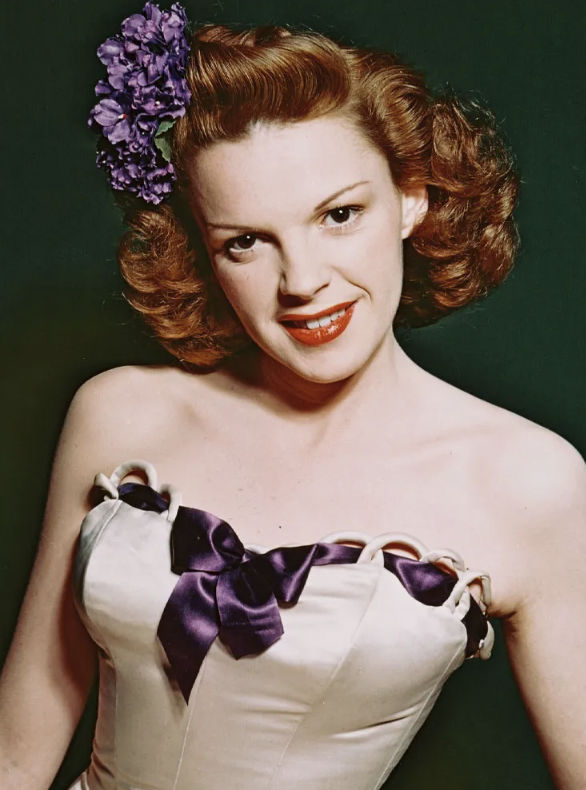 ou probably already have heard of or maybe even know the full story, as it is one of the most well known worldwide, especially after the release of its popular sequel ‘Wicked’ starring Ariana Grande. Believe it or not, the original version was a book by L. Frank Baum published in 1900, and the first edition of the story has not been changed much since. The story follows the journey of the young protagonist, Dorothy, and her friends (the scarecrow, the tin man, and the cowardly lion) as they set off on a journey to find the Wizard of Oz and acquire the things they most desire in life. The tale is universally known, and has had so much success over the years that it has been readapted in over 14 different books and 25 movies, including many sequels that follow the story of the witches of the North, West and East.
Behind the movie that played a part in the majority of our childhoods lies a dark story, so dark in fact that it has been defined as “The Curse of the Wizard of Oz”. The ‘curse’ revolves around the first edition of the movie released in 1939. It has little to do with the fantastical story and much more to do with what actually happened to the actors playing the roles we so loved.
The cast was not as big as most movies produced now, but considering the time frame in which the movie was filmed (the late 1930s), it was bigger than average.The protagonist, Dorothy, was interpreted by young actress Judy Garland, and other main characters included the Wizard of Oz, played by Frank Morgan; the Scarecrow, played by Ray Bolger; the Cowardly Lion, played by Bert Lahr; the Tin Man, played by Jack Haley; Glinda the Good Witch of the North, played by Billie Burke; and Elphaba the Wicked Witch of the West, played by Margaret Hamilton.
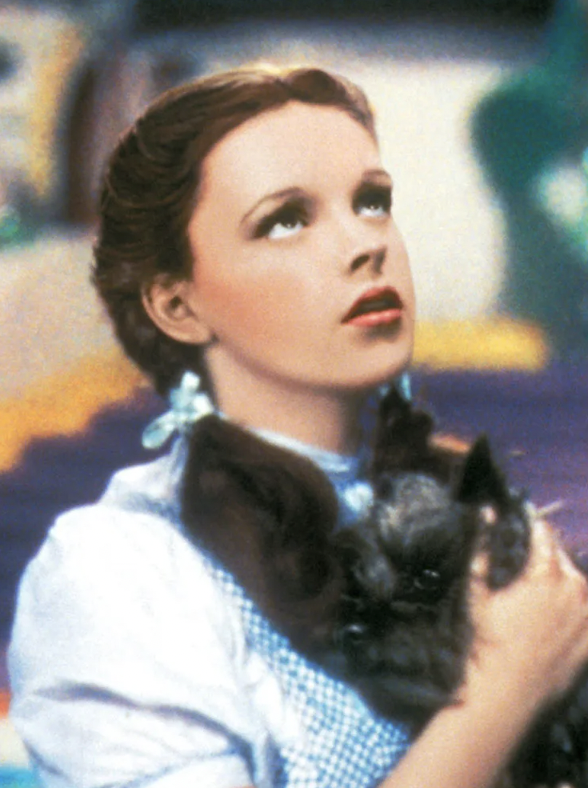
Firstly, there is the story of Judy Garland, playing Dorothy Gale. At the time Judy was very young, starring at just 17 years old, but was already deemed too “old looking” to play 12-year-old Dorothy. Because of this, she was given “pep-pills” (which really were amphetamines) to keep her thin, flat chested, energetic, and supposedly more similar to her character. Because of these energy pills, she also couldn’t sleep at night. This led to her being prescribed Barbitals, which caused dependence. This was just the start of the drug journey for Judy, who lived the rest of her life in addiction, and died at 47 from an overdose.
Next we have Frank Morgan, playing the Marvellous Wizard of Oz. Maybe because “no good deed goes unpunished” (I hope you get the reference), the actor playing the most evil character in the show was spared from the ‘curse’,and went on to live a relatively happy life.
The same can’t be said about poor Ray Bolger, playing the Scarecrow with no brain. Saying that his costume was problematic is an understatement, and it wasn’t even the worst on set! It reportedly “kept falling apart” and blocked the actor from being able to use the bathroom for the long days of filming. Overall, this doesn’t seem like it deserves the title of a ‘curse’, but emphasis should go on the episode that made Ray consider leaving the movie: the famous poppy field scene with Dorothy and the Scarecrow, which appeared wholesome on screen, but not in real life! The poppies were made of a toxic material which poisoned the actors, who weren’t even allowed to stop filming for a couple days in order to recover. Not the best experience to say the least.
Talking about terrible costumes, Bert Lahr is definitely worth a mention. Playing the cowardly lion, the actor wore a costume made of real lion skins that was unimaginably heavy and smelly. In the heat of the set, with little to no air conditioning (it was the 1930s after all), heat stroke and Bert were a common combination.
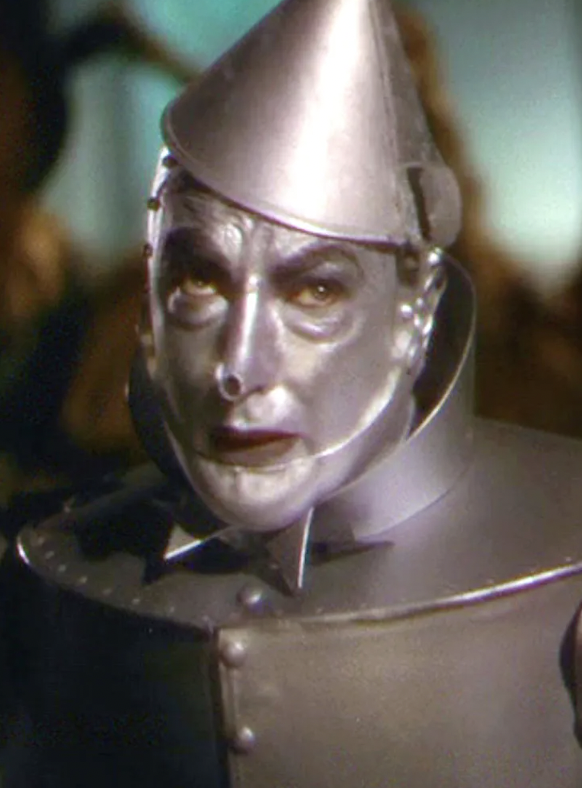 More tragic was the fate of the tin man, Jack Haley. He was playing the role of a very “a-typical” character, and with no CGI or computers to work with, all that was shown on screen had to be created in real life. This was no problem for the producers, who got to work and created the shiniest costume, made of the shiniest metal they could find: lead. Yes, lead, the highly poisonous material that everyone learnt about a couple decades ago. Well, not the producers in the 1930s, that’s for sure. The significant lead poisoning Haley was subject to had serious effects on his health, which constantly deteriorated in the future years.
 As for the witches, Billie Burke, who played Glinda the Good Witch of the North, was happy and healthy on and off set… a miracle right? On the other hand, Margaret Hamilton, the actress playing Elphaba, the Wicked Witch of the West, wasn’t happy and healthy at all. It’s lucky that “no one mourns the wicked” because we would all have been very sad for Margaret, with all that happened to her. Firstly, the scene in which Elphaba died in a puff of smoke had to be created physically, and the smoke used had to thus be strong enough to be captured by the camera. The producers ignored all those “useless” health and safety hazard labels on the flame apparatus, and just sprayed to their liking, causing Margaret second and third degree burns all over her body. This time, they realized that she probably needed a leave of absence, and gave her a whole two weeks to go to the hospital and get fixed up. She went to emergency care, where they found out that Elphaba’s green body paint was poisonous, and had sunk into the actress’s skin thanks to the burns. In synthesis, she was burned to a crisp, and poisoned. Which would have been the worst, if it hadn’t been that the advance medical technologies in 1938 led the doctors to think of the best solution they could come up with: disinfect the burns with ACETONE to clean them of the poison. You can probably imagine how much that hurt, considering acetone is used as nail polish remover. Luckily, Margaret somehow managed to recover, and even to go back to filming within the two weeks originally planned.
The couple of months in which each actor’s story came out was very interesting to say the least. Luckily, Margaret’s unpleasant experience ended the misfortunes of the cast of the Wizard of Oz, leaving behind one of the best but most unlucky movies of all time.