












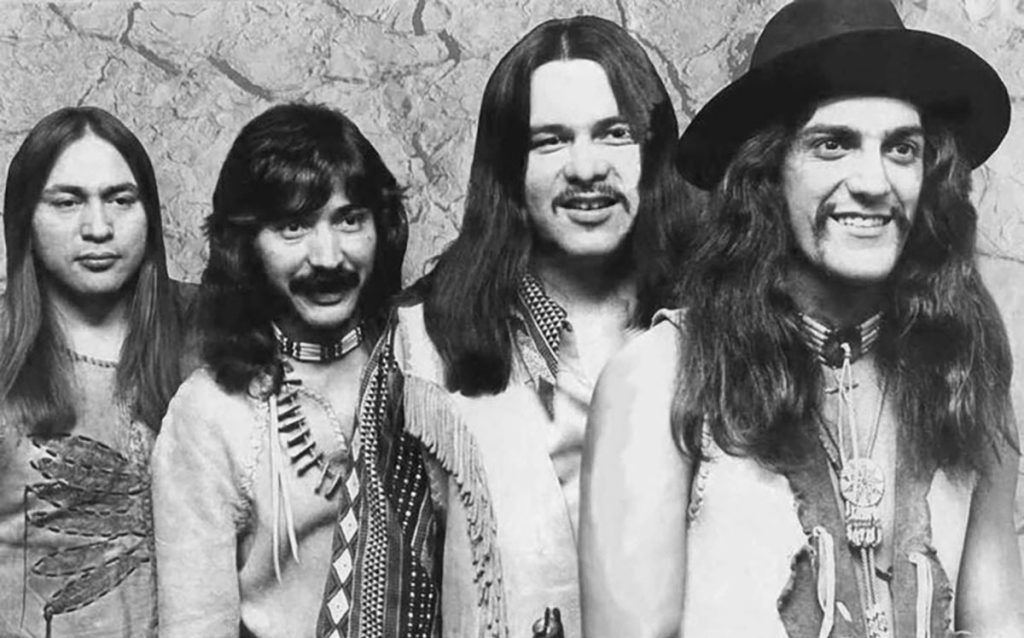
Native American jewelry, turquoise stones, angular symbols, animal figures reminiscent of totems, and, of course, the shimmer of silver. You’ve seen them before, maybe on a leather bracelet, a wide-banded ring, or a layered necklace. Jim Morrison might’ve worn something like it. Or maybe it was Jimi Hendrix. Then again, that’s also the signature of Ralph Lauren’s famous Americana style, you know, the one Johnny Depp, Matthew McConaughey, and of course, Cher have sported off set. You remember now the band Redbone. Their look, their sound, their vibe, it all ties back to something ancient, and its impact still resonates with modern icons. Before this jewelry became a fashion statement, before it adorned movie stars and runways, it was, and still is, a sacred expression of identity and spirituality. Its roots lie in the traditions of Native American tribes long before colonization, and in the interactions between those tribes and European settlers.
The earliest traces of what we might now call ornaments date back to around 6000 BC. These were crafted from natural materials: vegetal fibers, bones, feathers, shells, and wood. They were not simply decorations but spiritual tools used in ceremonies or worn as protective amulets. These early pieces were symbols of connection between people, the land, and the spiritual world. However, what we recognize today as Native American jewelry, characterized by silver and turquoise, intricate stamp work, and sacred symbols, emerged much later, shaped by cultural exchange and adaptation.
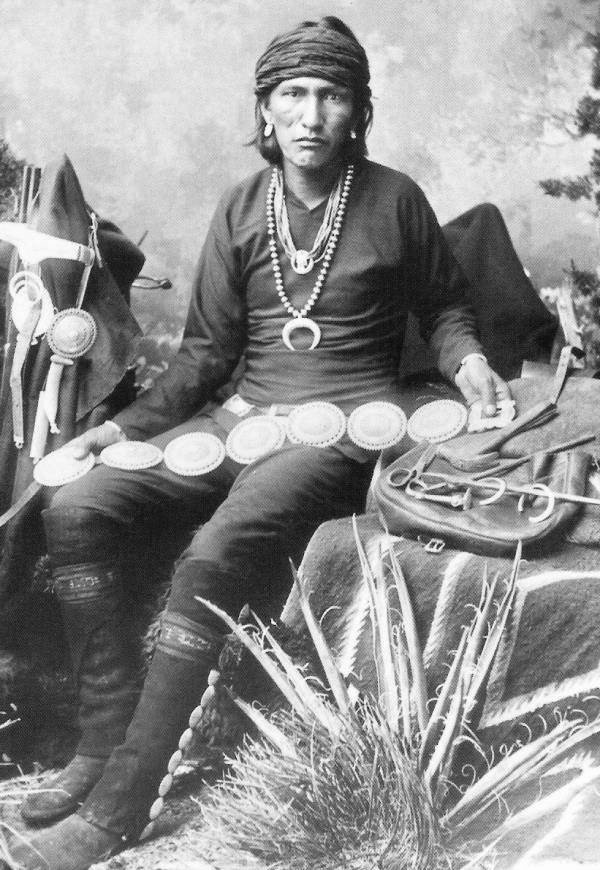
By the 1850s, the Navajo were introduced to metalwork through their interactions with the U.S. Army, crafting practical objects such as buckles and utensils. Over time, they began to repurpose these metalworking techniques to create adornments, bracelets, necklaces, rings, and belts. Initially using iron or copper, they later turned to silver, which they poetically named “moon metal” for its luminous quality. One of the key figures in this transformation was Atsidi Sani, a Navajo silversmith often credited as a pioneer of Native jewelry. Through him and others, the art of silversmithing spread to neighboring tribes such as the Zuni, Pueblo, and Yuchi, who developed their own distinct designs and methods.
By the 1870s, new motifs emerged, inspired by shamanic traditions, arrows, lightning bolts, and spiritual emblems. For many tribes, jewelry was not just personal decoration but a visual language, telling stories of ancestors, protection, and harmony. Meanwhile, some tribes, particularly those influenced by Christian missionaries, began blending Indigenous and Christian symbols crosses intertwined with feathers, for instance. The incorporation of turquoise, known as the “sky stone”, marked a turning point. Its color symbolized life, water, and protection. Working with stone demanded new techniques, sandcasting and tufacasting, which gave the jewelry a distinctive texture and weight. Each piece carried the rough yet organic touch of its maker, reflecting both earth and sky.
Entering the 20th century, Native American jewelry entered its classical era. The pieces were bold, linear, and architecturally influenced, in part, by Western styles but still rooted in ancestral patterns. These designs carried not only aesthetic beauty but also resilience. Amid assimilation pressures and cultural erasure, craftsmanship became a way of preserving identity, a quiet form of resistance.
In recent decades, Native American jewelry has entered a new chapter, one defined by innovation, cultural pride, and international recognition. Contemporary artists honor their tribal traditions while experimenting with new forms, materials, and meanings. For many, jewelry has become a way to reclaim narratives and assert the ongoing vitality of Native culture in the modern world.
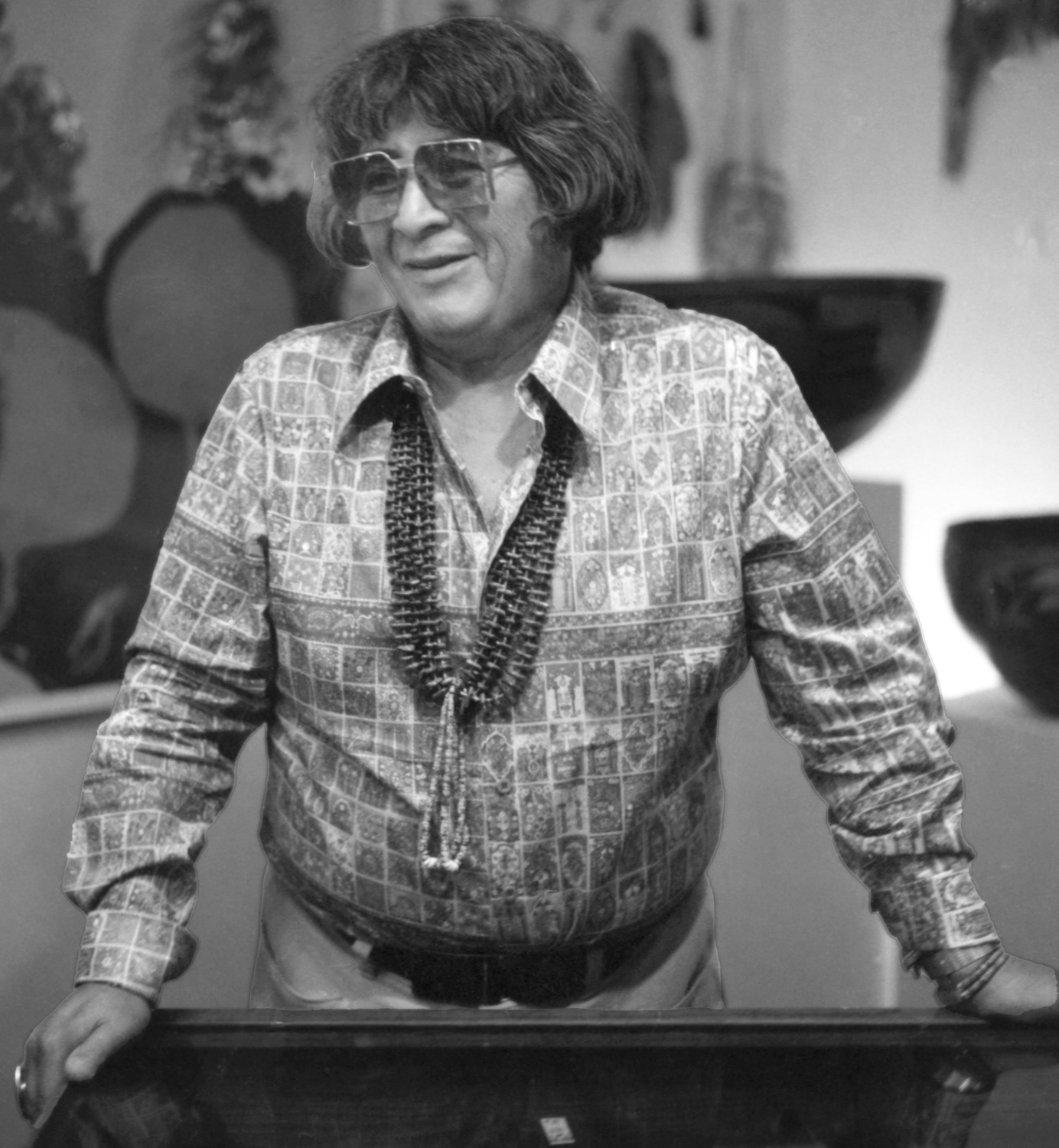
Artists like Charles Loloma were among the first to redefine Native jewelry in the mid-20th century. Loloma’s work broke conventions; he used gold, lapis lazuli, coral, and exotic woods to create sculptural, architectural pieces that blurred the lines between fine art and adornment. Though controversial at first among traditionalists, Loloma paved the way for generations of Native artists to explore individuality without abandoning heritage.
Jesse Monongya, one of Loloma’s protégés, carried that spirit forward. His intricate inlay work, featuring turquoise, coral, jet, and shell, often depicts cosmic imagery, linking modern craftsmanship to ancient cosmologies. His designs reflect harmony between earth and sky, past, and present.
Kenneth Begay, sometimes called “The Father of Modern Navajo Jewelry,” introduced sleek, minimalist designs in the 1940s and 50s, showing how simplicity could still honor deep cultural motifs. His influence can still be seen in the clean, geometric lines of many contemporary Native silversmiths.
In the 21st century, a new generation of artists continues to push boundaries. Verma Nequatewa creates jewelry that fuses feminine strength and spiritual symbolism. Jamie Okuma, though known for beadwork and fashion, integrates jewelry into her multimedia art, connecting adornment to storytelling. And Keri Ataumbi merges goldsmithing with narrative art, crafting pieces that challenge stereotypes about Native design, blending tradition with avant-garde style.
Modern Native American jewelry, while grounded in ancestral techniques, now occupies spaces in major art galleries, museums, and high-end fashion shows. It’s not just about revival, it’s about visibility and evolution. Each artist adds their own voice to a living tradition, proving that Native craftsmanship is not a relic of the past but a continually expanding form of cultural expression.