
















Zolgensma is a form of gene therapy prescribed to children less than 2 years old suffering from spinal muscular atrophy (SMA). 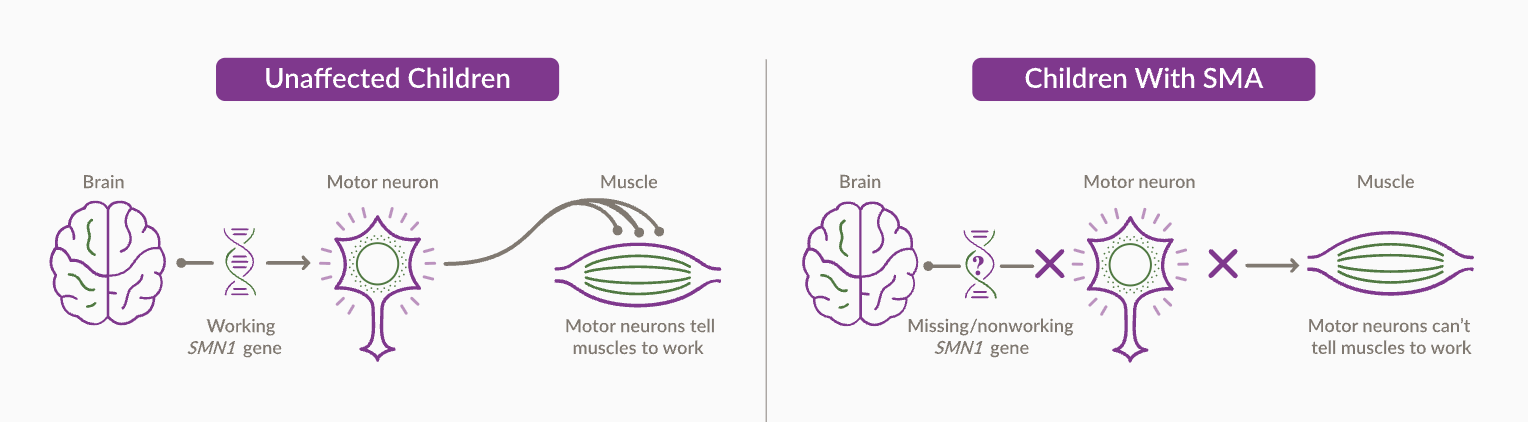 Spinal Muscular Atrophy or more commonly known as SMA is caused by an inherited mutation or deletion on the SMN1 gene. Parents themselves act as carriers of the gene, with a 25% chance of their children displaying symptoms of SMA. It is characterised by muscle weakness and motor difficulties as well as bone and joint issues. This is due to an alteration in the structure of the SMN protein coded for by the SMN1 gene, which is crucial for the survival and development of motor neurons; a disruption in the gene can not only cause degeneration in the function of motor neurons but potentially their death. While SMN1, like any other gene, has a backup gene, SMN2’s production of SMN protein still remains insufficient for efficient motor function. There are three different types of SMA which all originate in childhood but vary in severity, Zolgensma is used to treat the most severe type: Type 1 SMA. Spinal Muscular Atrophy was once considered untreatable and in cases even fatal, but scientific developments in paediatric gene therapy, like Zolgensma, have rebuilt outcomes.
 Zolgensma is given as a single dose intravenous infusion. It uses a harmless virus which acts as a vector to deliver a new, working SMN gene to the body’s cells. Once the SMN gene reaches the cell’s nucleus, DNA replication, transcription and translation all allow for the sequence of bases in the gene to code for a sequence of amino acids which together form the SMN protein. The production of the SMN protein allows for the preservation of essential muscle function. Through this, Zolgensma addresses the root cause of the disease with the aim of halting its progression. This innovative form of gene therapy is given just once and works continuously in the body.
While the benefits of Zolgensma in treating SMA are undeniable, the gene therapy comes with several health as well as ethical concerns. Zolgensma can increase the level of enzymes in the liver and even cause acute liver failure. To prevent this, patients are given immune suppressors and anti-inflammatories before and after the infusion. This may lead to infections before or after the treatment as well as low platelet count. The formation of tiny blood clots in small blood vessels called Thrombotic Microangiopathy has also been reported following infusion.
 Ethical concerns surrounding Zolgensma are centered around the extremely high cost associated with it, as it challenges the principle of justice based on fair access to the gene therapy no matter economic status. Availability of Zolgensma also varies based on country and insurance provider, once again raising issues of unequal opportunities. This gene therapy is given to infants who are unable to provide legal consent, raising further issues of autonomy and beneficence.
The development of Zolgensma is understandably an extremely important advancement in the healthcare industry, with the potential of being the cure of a fatal and life-altering disease in children.