















Cyprus has been divided since the Turkish invasion of the North in 1974, after which Turkey established the Turkish Republic of Northern Cyprus, a state only recognised by Turkey itself. It covers roughly the top 35% of the country, with the other percentages covered by a UN buffer zone and two British military bases, meaning that only about half of the island is actually controlled by the internationally recognised Republic of Cyprus, an EU member. 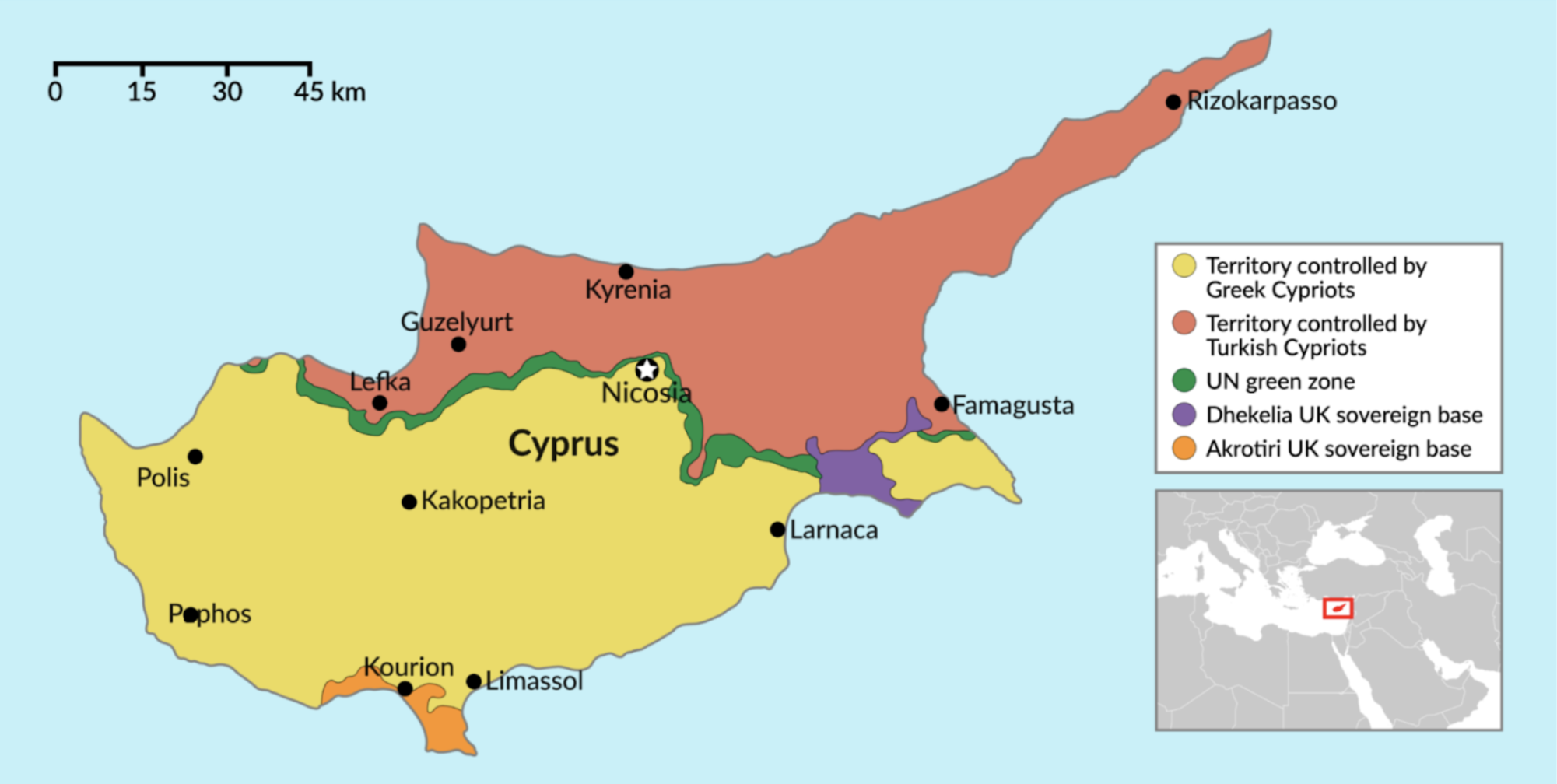
R ecently, the North held an election for its president. The pro-reunification candidate won with a landslide 63% of the vote. This candidate, Tufan Erhürman, and his party have preferred reunification with the Republic of Cyprus over maintaining the status quo. He said that the president at the time (the other candidate in the election) had followed the wrong approach, as he was hardline on the existing condition, which had somewhat isolated Northern Cyprus in the international community. Erhürman has favoured talks with the Greek Cypriots in the South to try and create a binational federation of Cyprus where both sides are equal, similar to the proposals from the time of Cyprus’s independence. The two sides on the island do not intrinsically hate each other due to ethnicity in the way that is present in some parts of the Middle East and Eastern Europe, and there is broad support for reunification.
While this rhetoric is obviously positive and the electoral victory for a pro-reunification candidate is promising, there is still a significant challenge for both governments.
Firstly, it may be difficult to turn these words into action as hardliners on both sides may see it necessary to block any attempt at reunification, and Cyprus’s government, consisting of three parties that all support a two-state solution to the Cyprus dispute, has already expressed opposition to any federation simply because of the presidential election’s result.
Another problem is the significant influence that Turkey has over Northern Cyprus. While the country has tried to distance itself from Turkey as independent, Turkey keeps troops in the country and still asserts its ‘guarantor’ status from Cyprus’s independence treaty, whereby it can intervene in the country if it deems the country’s ethnically Turkish population is under threat.
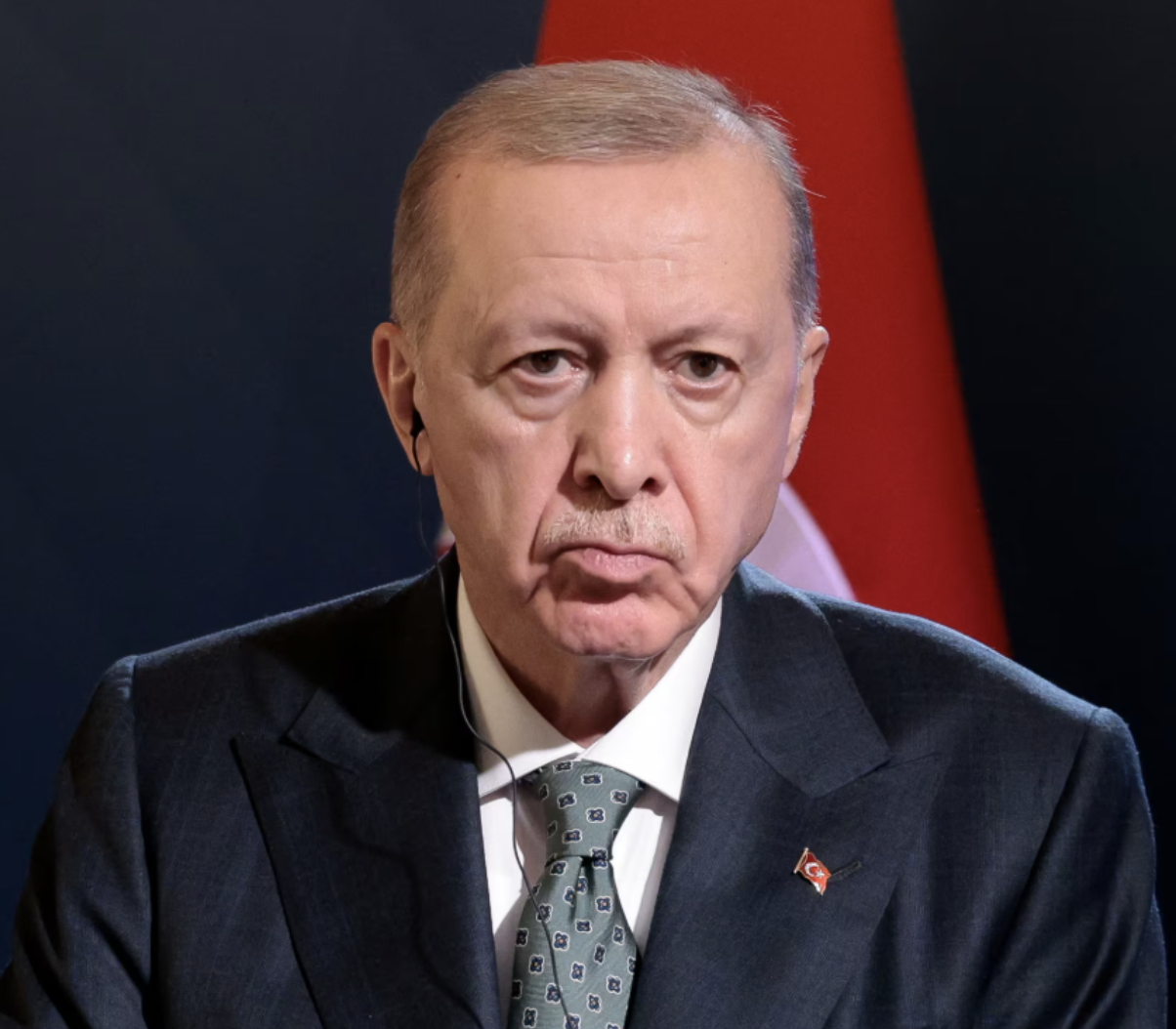 Finally, Turkey’s President, Erdogan, has participated in democratic backsliding and is a quasi-dictator, and while he did congratulate Erhürman on his victory, he repeated that he will ‘continue to defend the sovereignty rights and interests of the Turkish Cypriot people’. He has in the past called Cyprus’s situation an ‘imperialist game’, and he ultimately has final say over who wins, as historically, the main player has been Turkey, and Erdogan’s party has been accused of intervening in community affairs, including influencing elections.
Thus, while there is hope and promise for a united federation on the island, we must be cautiously optimistic as there remains opposition from both Northern Nicosia and Ankara.

